
Dalmatian Cuisine – Where the Sea Kisses the Stone and the Sun Seasons Every Bite
There are places on earth where the land itself seems to conspire with the sea to create something unforgettable on the plate. Dalmatia is one of them.
Imagine a coastline stitched together by ancient stone villages, islands flung like emeralds into an impossibly blue Adriatic, and mountains that trap the heat of the day only to release it slowly at dusk, when the scent of rosemary and pine drifts down to meet the salt air. This is the cradle of Dalmatian cuisine: wild, sun-drenched, and fiercely seasonal. A table set here is never just a meal; it is a small ceremony of gratitude for everything the sea, the soil, and centuries of stubborn human ingenuity have managed to coax from this thin ribbon of rock.
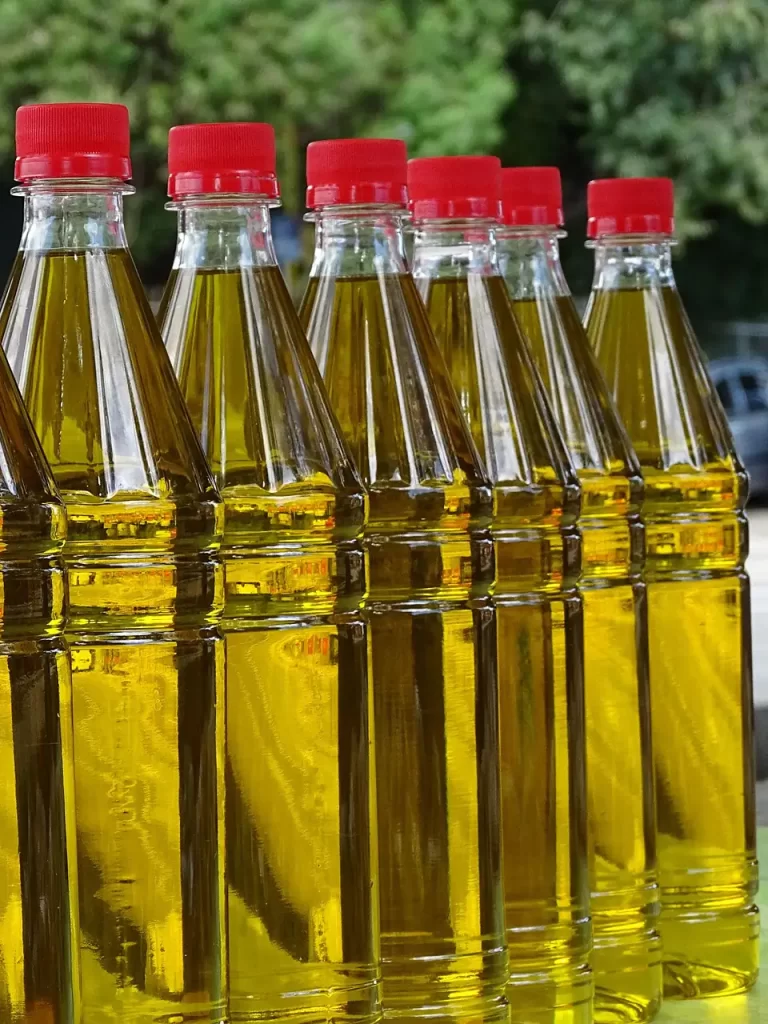
At its heart, Dalmatian food is the purest expression of the Mediterranean diet, but with a rugged, island-born soul. Olive oil—green, peppery, poured as generously as conversation—ties every dish together. Garlic is not an ingredient; it is a religion. Parsley, bay leaves, and the smoke of open fires are the quiet signatures you’ll taste again and again.
From the deck of a small boat at dawn, fishermen still haul in the same shimmering white fish and glossy black mussels their grandfathers did. On the hillside above, sheep graze on sage-scented grass that will one day flavor the milk for Pag’s legendary hard cheese—salty, sharp, and worthy of its own love poem.
In hidden coves, oysters grow fat and metallic-sweet in water so clean you can see the ripples of Roman ghosts beneath the surface. The cooking is unapologetically simple, because it doesn’t need to shout. A fresh-caught sea bream, slashed, rubbed with nothing more than salt and a branch of wet rosemary, then laid over glowing coals until the skin blisters gold.
Octopus simmered for hours under a heavy iron bell (peka) with potatoes, red wine, and a whisper of smoke until it surrenders into velvet. A black risotto the color of midnight, inked by cuttlefish and deepened with a splash of sweet Prošek, so intensely of the sea that one forkful feels like diving headfirst into the Adriatic.
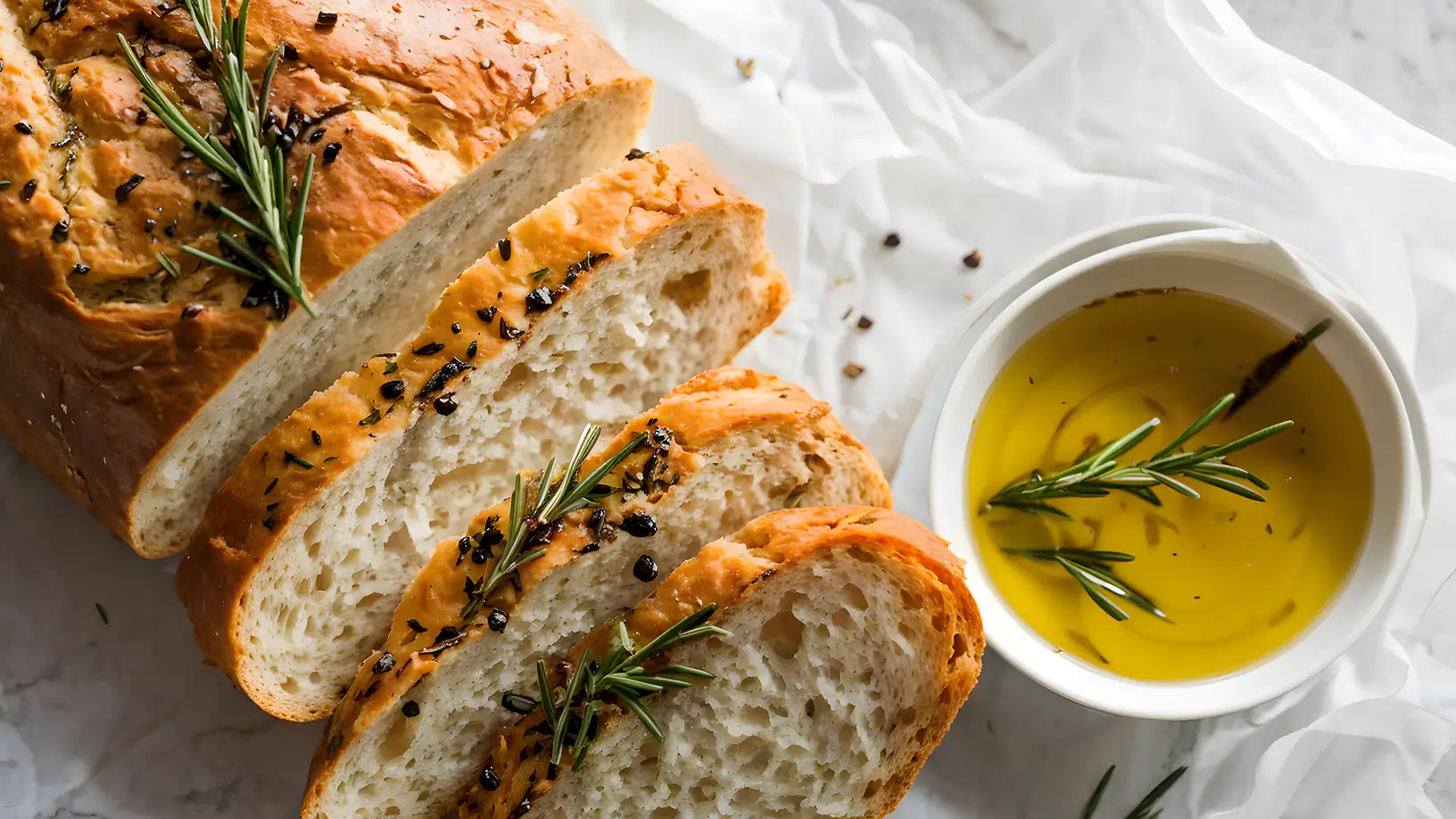
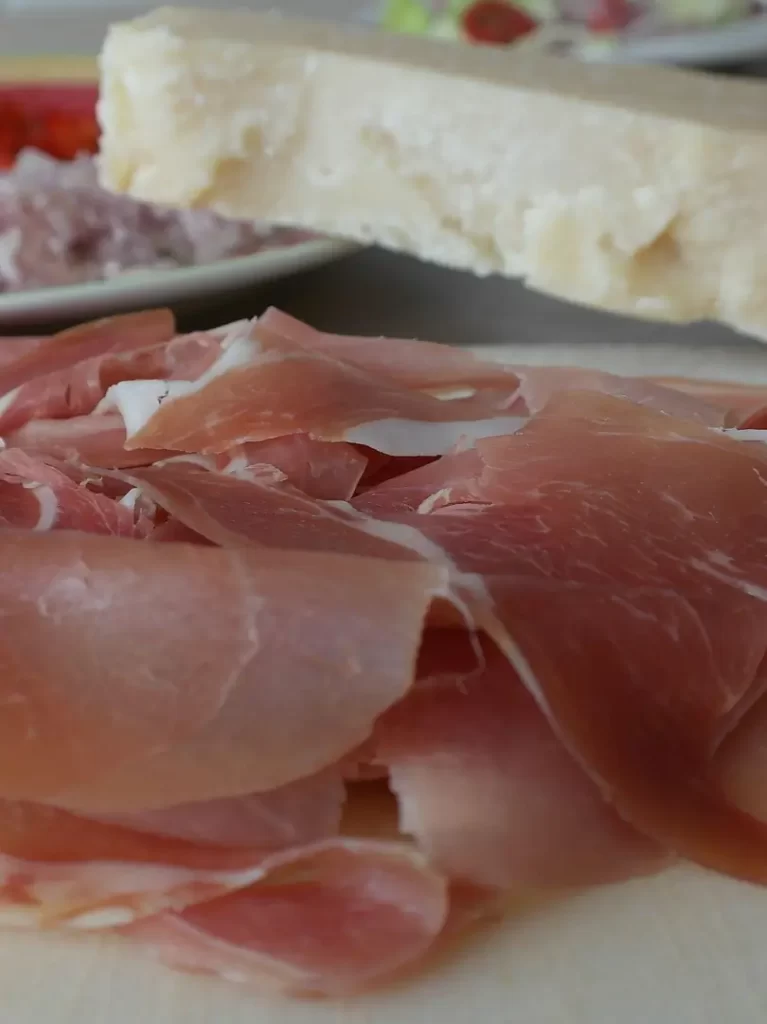
Inland, the story shifts. Lamb slow-roasted with springs of wild herbs until it falls apart at the touch of a fork. Pašticada—beef braised for an entire day with prunes, cloves, nutmeg, and Prošek until the sauce turns the deep mahogany of old Dubrovnik rooftops. And always, always, the bread: crusty, torn by hand, used to chase the last drops of sauce or to cradle thin slices of wind-dried prosciutto that taste of bura wind and woodsmoke.
Meals here have rhythm. Marenda, a mid-morning bite of cheese and pršut with yesterday’s bread. A long, lazy lunch of brudet—fish stew coaxed into velvet with tomato, onion, and a single chili—eaten in the shade while cicadas scream. Dinner is lighter, often leftovers reborn, because nothing is ever wasted and because conversation is the real main course.
Then come the sweets: rožata, trembling custard cloaked in burnt-sugar amber. Candied orange peel rolled in sugar until it crunches like frost. Fritule no bigger than a walnut, scented with rakija and lemon zest, passed around in paper cones at winter festivals.
Dalmatian food is not fussy. It does not chase trends. It is the cuisine of people who learned long ago that the best luxury is a table crowded with voices, a jug of rough red wine, and ingredients so fresh they still carry the morning on them.
This is where the sun tastes brightest, where the sea is bottled in every bite, and where “pomalo”—take it slowly— isn’t just a phrase; it’s the only proper speed for living.
Welcome to Dalmatian cuisine.