The Fig Trees of Dalmatia
A love story written in salt, stone, and sweetness
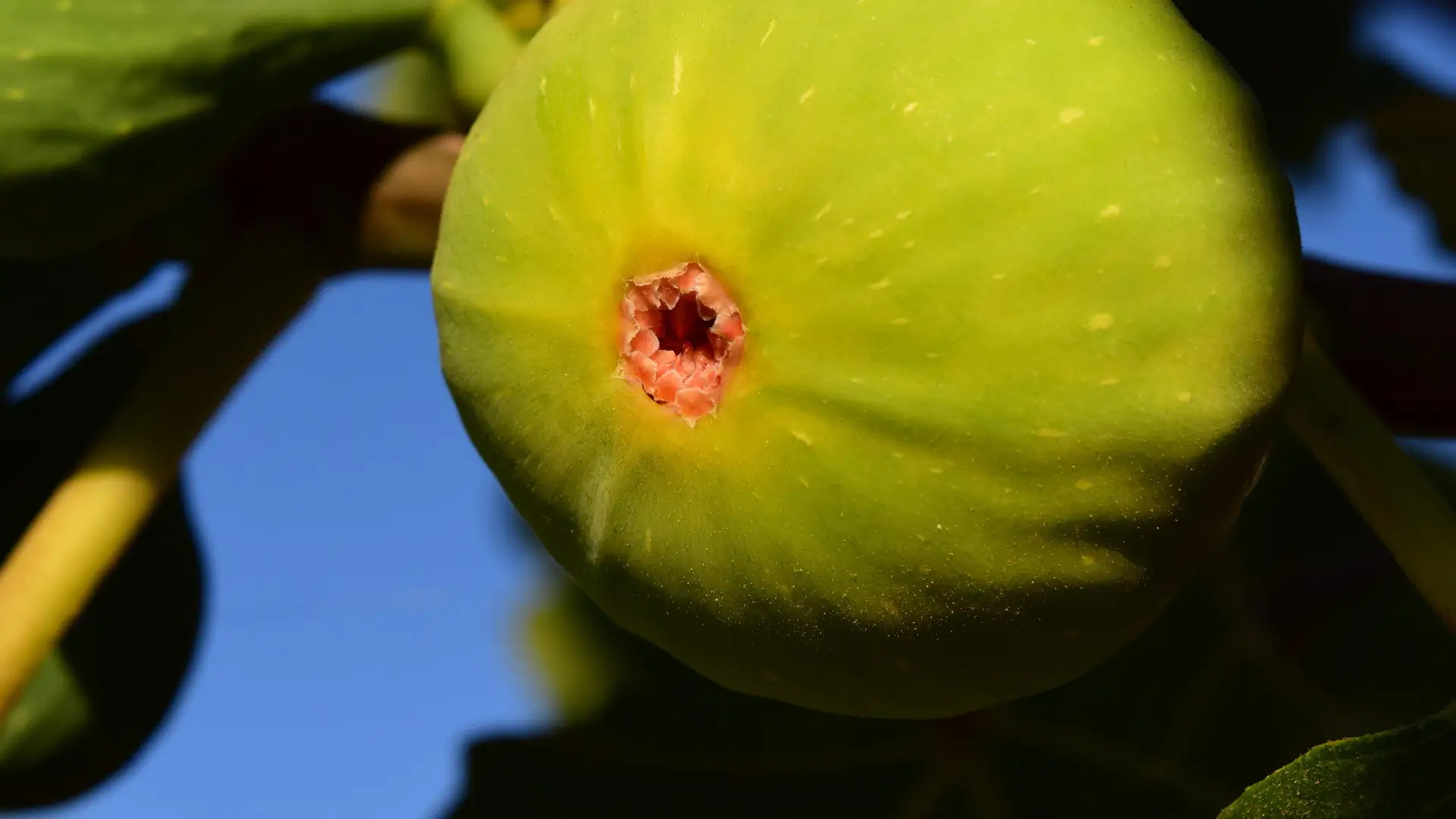
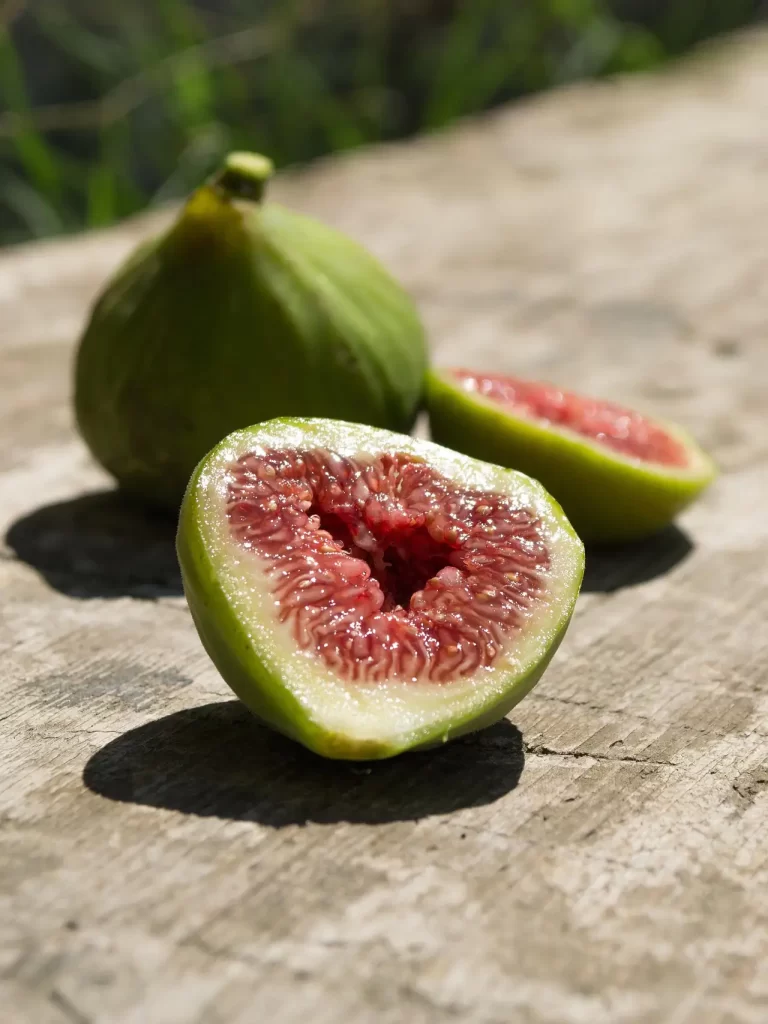
On the sun-bleached coast of Dalmatia, where the Adriatic licks limestone cliffs and the air smells of pine resin and warm rock, the fig tree is more than a plant. It is memory made edible. Every gnarled trunk, every silver-green leaf, every tear-shaped fruit split open to reveal its crimson heart carries eleven thousand years of human longing on its branches.
Archaeologists say the first figs were cultivated in the Jordan Valley long before wheat or wine. But it was here, along this ragged Croatian shoreline, that the fig found its spiritual home. Phoenicians, Greeks, Illyrians, Romans—every wave of conquerors who washed ashore fell to their knees before the same miracle: a tree that thrives on nothing but sea wind and poverty-stricken soil, yet gives back fruit so lush it feels like sin.
The Romans called Dalmatia’s figs the “kissing fruit.” Pliny wrote of them with the kind of reverence usually reserved for lovers, praising the way they grew fat and honeyed under the Illyrian sun. In Split’s palace cellars—built by Emperor Diocletian, who retired here to grow cabbages and, one suspects, to eat figs until his fingers were stained purple—archaeologists still find carbonized seeds from fruits that sweetened the last days of an empire.
Walk the back lanes of Brac or Korčula in late August and you’ll understand why civilizations fought over these islands. The heat shimmers. Cicadas scream. And suddenly there it is: a fig tree leaning over a dry-stone wall like a generous drunk, offering fruit so ripe it bruises the air with perfume. Bite one still warm from the sun and the world stops. The skin bursts, syrup floods the mouth—rose, honey, a whisper of the sea—and for one suspended moment you are connected to every hand that has ever plucked a fig here, from Illyrian queens to Venetian merchants to the grandmother who still dries them on reed mats the old way.
In Dalmatia, figs are never just fruit. They are currency, medicine, seduction, sacrament. Brides once carried dried figs in their dowry chests. Fishermen tucked them into pockets as protection against storms. On the feast of Velika Gospa, families lay the season’s first ripe figs on home altars beside candles and rosemary—offerings to the same fertile goddesses the Egyptians once honored with the same fruit five millennia earlier.
Even the trees themselves feel ancient and slightly wicked. They split boulders with their roots, twist into impossible shapes, grow straight out of church walls as if the stones themselves couldn’t resist them.
Old islanders will tell you (lowering their voice) that fig trees remember. That they hold the heat of every summer, the salt of every tear cried beneath their shade, and give it all back in a single perfect bite.
Today, in the whitewashed konobas of Brač or the hidden coves of Vis, chefs are rediscovering what the ancients never forgot. Fresh figs roasted with goat cheese and wild thyme. Fig leaves wrapped around octopus and grilled over grapevine embers. Rakija infused with green figs and a single bay leaf from the hillside.
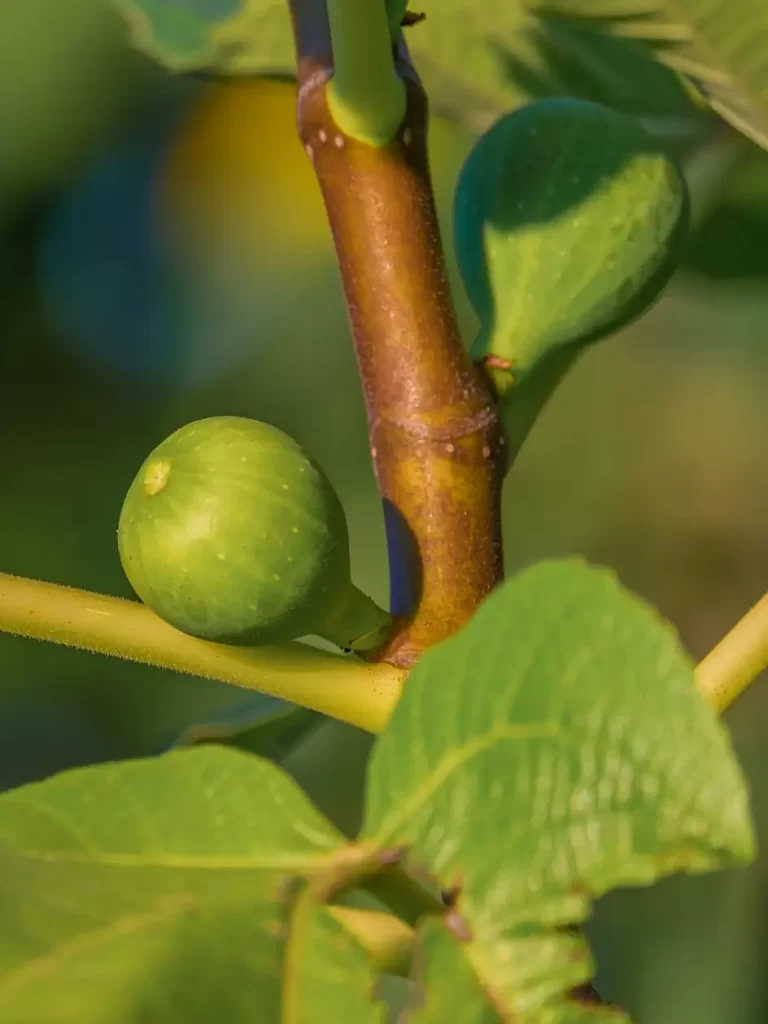
And always, at the end of a long lunch that started at noon and will drift until the stars come out, a plate of sun-warmed figs, split open like secrets, served with nothing but silence and the sound of waves.
The fig tree taught Dalmatia how to live: take the harshest ground, the fiercest sun, the thinnest soil—and answer with sweetness so profound it breaks the heart open.
Some fruits feed the body.
The Dalmatian fig feeds the soul.