Dalmatia does not merely grow tomatoes. It worships them.
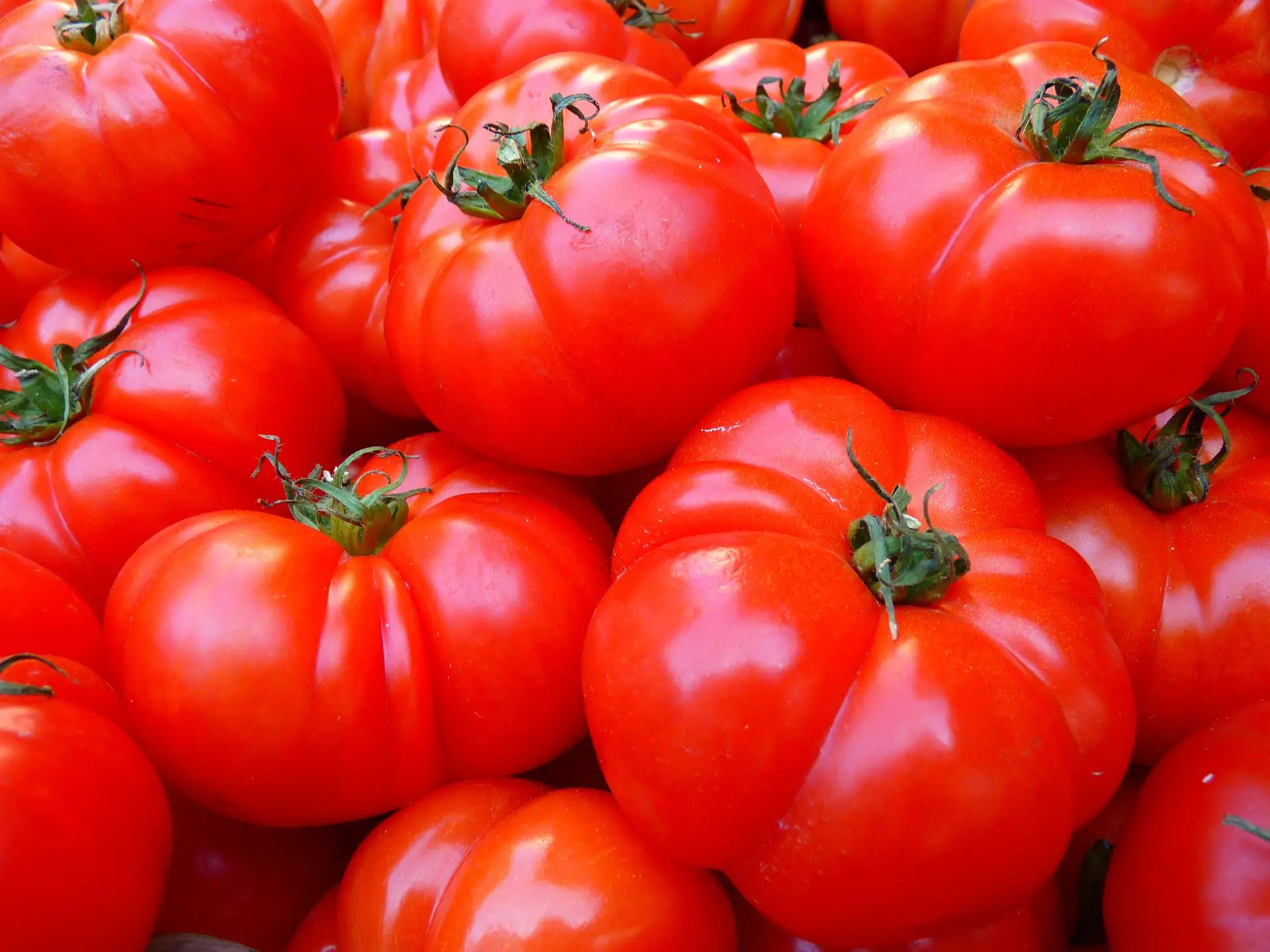
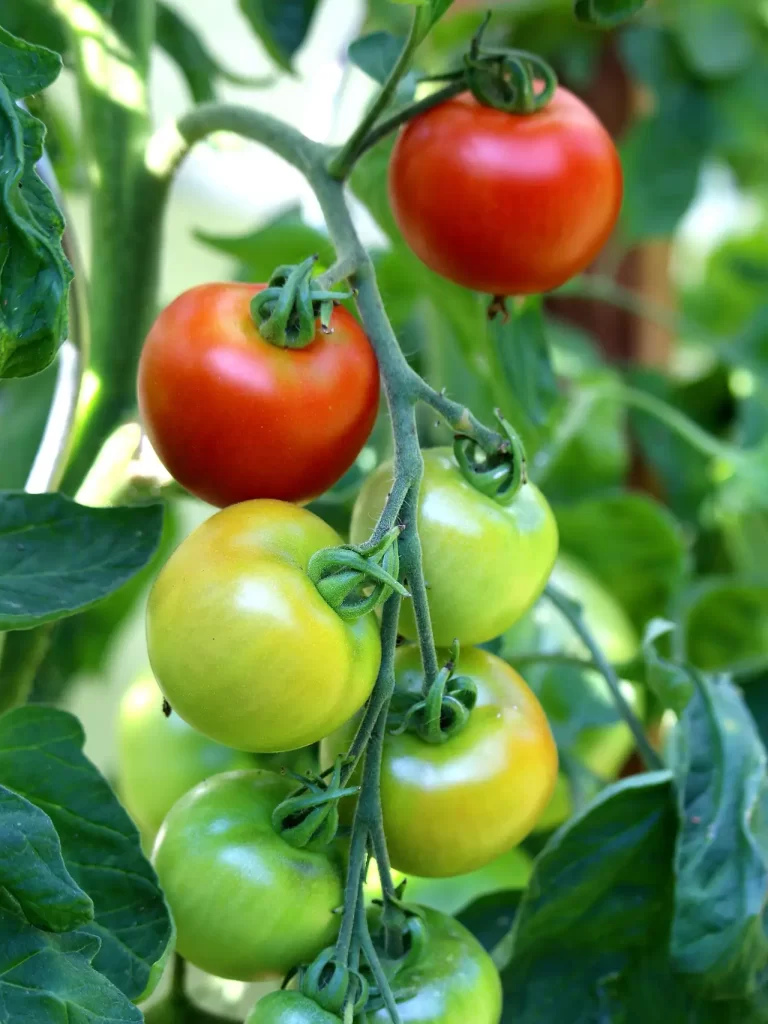
In July, when the rest of Europe is already wilting, the islands and the littoral hinterland ignite into scarlet. From the terraced slopes behind Dubrovnik to the hidden coves of Hvar, from the dusty poljes of the Neretva delta to the high, wind-scoured plateau of Brač, the tomato becomes the season’s beating heart. It is the one crop that refuses restraint: vines sprawl like drunks across dry stone walls, heavy with fruit that looks almost obscene in its ripeness, split skins leaking sugar onto the karst.
The love affair began centuries late compared to the olive. Tomatoes arrived on these shores only in the late 1700s, smuggled in Neapolitan sailors’ pockets or tucked into the dowry chests of Venetian brides. The clergy called them “love apples” and suspected sin. Fishermen’s wives, less delicate, sliced them raw with nothing but salt and a splash of the house oil and discovered paradise.
On Brač, the tomato found its spiritual home in the red earth around the villages of Donji Humac and Pražnica. The soil here is iron-rich, baked brick-red by the sun, and the nights drop cool enough to make the fruit blush deeper.
Old varieties still rule: volovsko srce (ox heart), so large one fruit can feed a family; ružica, rose-pink and fragrant as a garden at dusk; treševica, cherry-sized bombs of acid and perfume that children steal straight from the vine and eat sun-warm, juice running down their chins like contraband.
Walk any field in August and the air is narcotic: green, resinous stems crushed underfoot, the sweet rot of fallen fruit, the almost erotic smell of leaves rubbed between fingers. The plants grow so dense they form living tunnels; you push through them like a jungle and emerge streaked with yellow pollen and the sticky sap that smells of childhood summers that never ended.
Every konoba worth its salt keeps a bowl of tomatoes on the table from the moment they ripen until the first frost threatens. They are never refrigerated (an insult punishable by exile). Instead they lounge at room temperature, softening, intensifying, until someone with a decent knife and a worse conscience attacks them. A proper Dalmatian tomato salad is not a recipe; it is a ritual. Thick, uneven slabs, still sun-hot, piled carelessly. A careless avalanche of torn basil. Thin rings of young onion that make your eyes water in the best way. Salt that falls like snow. And then the oil: last year’s if you’re civilized, this morning’s if you’re blessed. Nothing else. The juice that pools beneath is drunk straight from the plate, head tipped back, eyes closed, shameless.
But the tomato’s true destiny arrives at dusk, when the fire is lit under the great copper cauldron in the village square. This is the night of the spremba, the communal making of pinđur, ajvar, or simply “the sauce” (a word spoken with reverence usually reserved for scripture). Hundreds of kilos of tomatoes, blistered over vine cuttings until their skins slide off like silk stockings, are passed through hand-cranked mills that date to the Austro-Hungarian empire. The pulp steams ruby-red, thick as lava. Grandmothers who haven’t agreed on anything since 1973 suddenly harmonize over how much paprika, how long the simmer, whether a secret pinch of sugar betrays the ancestors.
Hours later, when the moon hangs low enough to touch the sea, the sauce is ladled into jars still hot enough to burn fingerprints. Sealed with a pop and a prayer, they will sleep in cellars until winter gnaws at the bones of the island. Then, on a January night when the bura screams like a witch, one jar will be opened. A spoonful stirred into beans, another over pasta rough as a fisherman’s hands, another simply spread on warm bread with nothing but sheep’s cheese. And suddenly it is August again: barefoot on terracotta tiles, cicadas, the salt sting of a day spent swimming, a grandmother’s laugh, the promise that nothing truly loved ever dies.
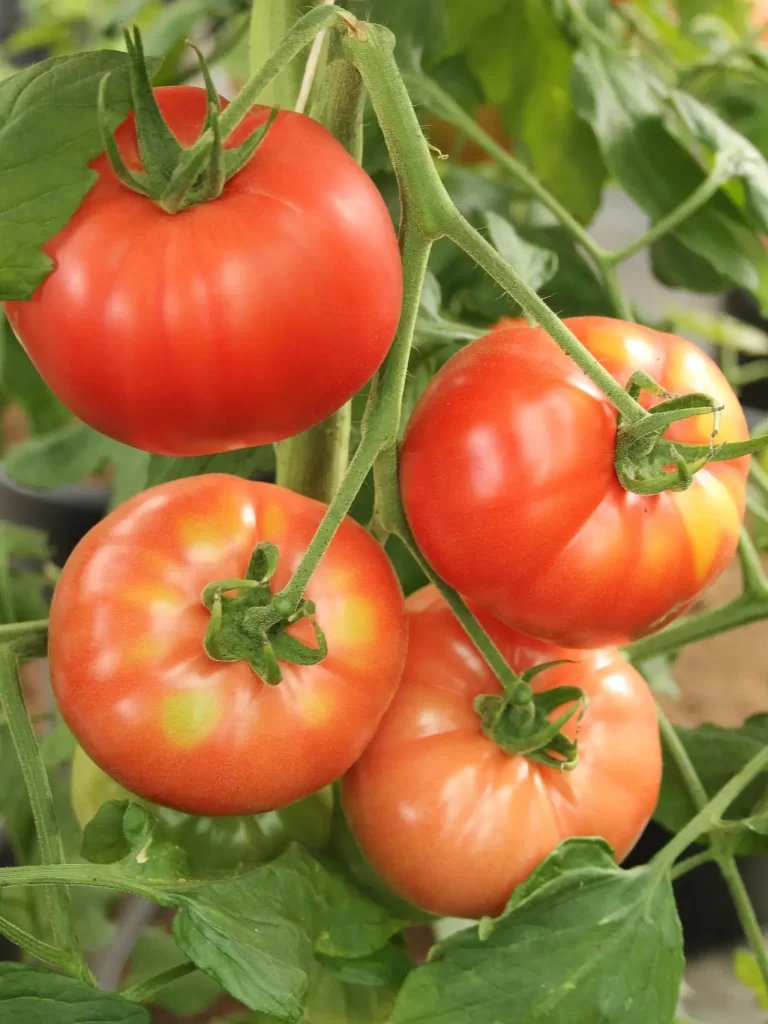
On Brač they say the best tomatoes grow within sight of the sea and earshot of church bells. They are coaxed by old men who sing to them (actual songs, lewd Partisan marching tunes or mournful klapa harmonies) because “they like to know they are wanted.” They are harvested by women whose fingernails will stay stained blood-red until Christmas no matter how hard they scrub. They are fought over in markets with the ferocity of blood feuds: “That one’s mine, look at the shoulders on her!”
In the end, the Dalmatian tomato is not produce. It is memory made edible, a love letter written in acid and sunshine, the red thread that ties grandfathers who never returned from the war to grandchildren who have never known hunger. It is the taste of a place that decided long ago that life, however brutal, must be delicious.
And every summer, when the first fruit ripens to the color of fresh heartbreak, the island exhales. The cycle begins again. The vines reach for the sky like prayers. And somewhere, an old woman bites into a tomato still hot from the sun, closes her eyes, and smiles the way people only smile when they taste home.