In Dalmatia, the olive tree is not a crop. It is a covenant.
Long before the Romans carved their roads across the Adriatic, Illyrian tribes were pressing wild olives on these sun-bleached hills. When Venice ruled the waves, its galleys returned heavy with Brač oil, the pale gold that lit palazzi lamps and anointed the doge’s table. Empires rose and crumbled, but the trees endured, gnarled witnesses knotted tighter than ship’s rope, their trunks twisted into living sculptures by centuries of bura and maestral winds.
On the island of Brač, the olive takes on an almost mythical weight. Here, some trees are older than Christianity itself (carbon-dated to 1,600, even 2,000 years), survivors of plague, war, fire, and phylloxera’s distant cousin that never quite reached these shores. Locals will walk you past a certain tree in the village of Nerežišća or near the quarry at Pučišća and speak its age in the same hushed tone reserved for saints. Touch the bark and you feel the pulse of every harvest that ever was.
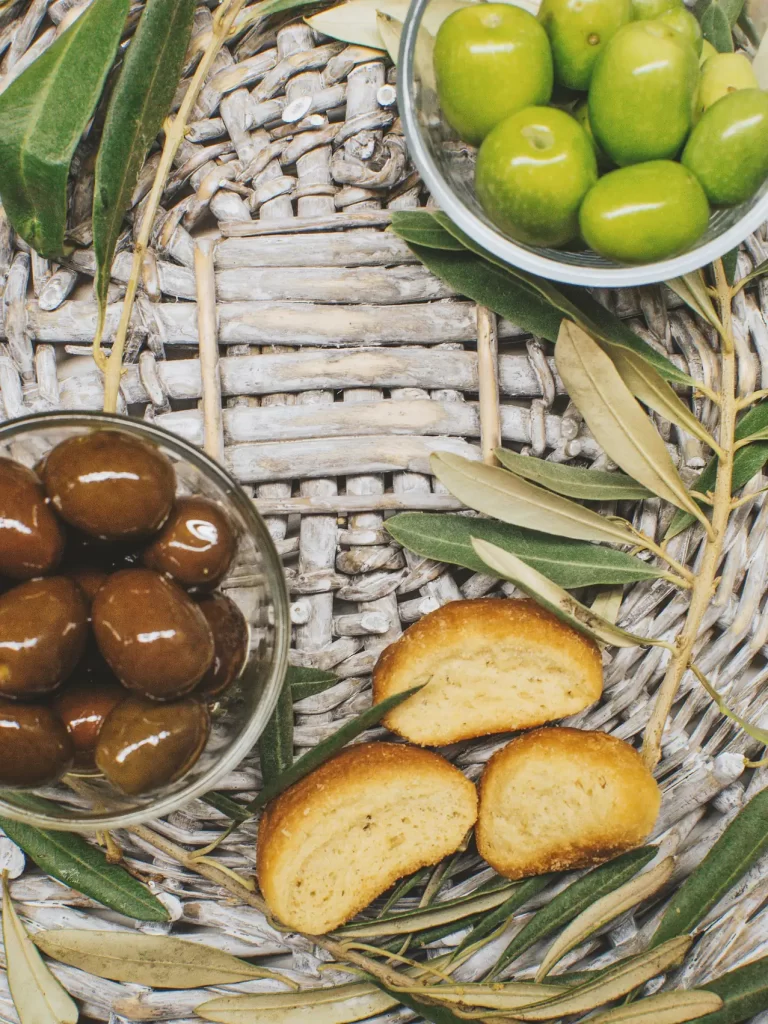
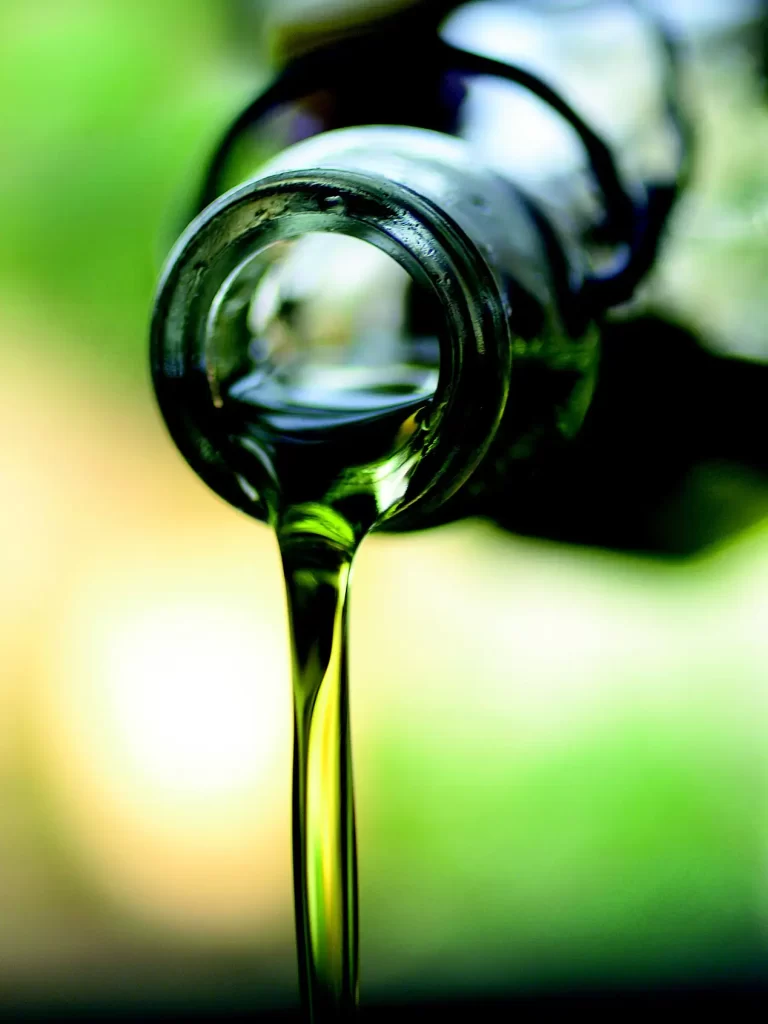
The oil from these ancient groves is different. It arrives in the mouth like a quiet revelation: fiercely green, almost violent with pepper at first, then unfolding into artichoke, freshly cut grass, almond, and a whisper of Adriatic salt. It is never meek. Pour it over a plate of raw crudo plucked from the cove that morning (red mullet, sea bream, still trembling with the sea) and the fish seems to glow. Drizzle it, still cloudy from the press, over warm lamb from the peka or simply tear yesterday’s bread and drag it through a saucer of the new oil with nothing more than a flake of salt. That is all Brač asks of you.
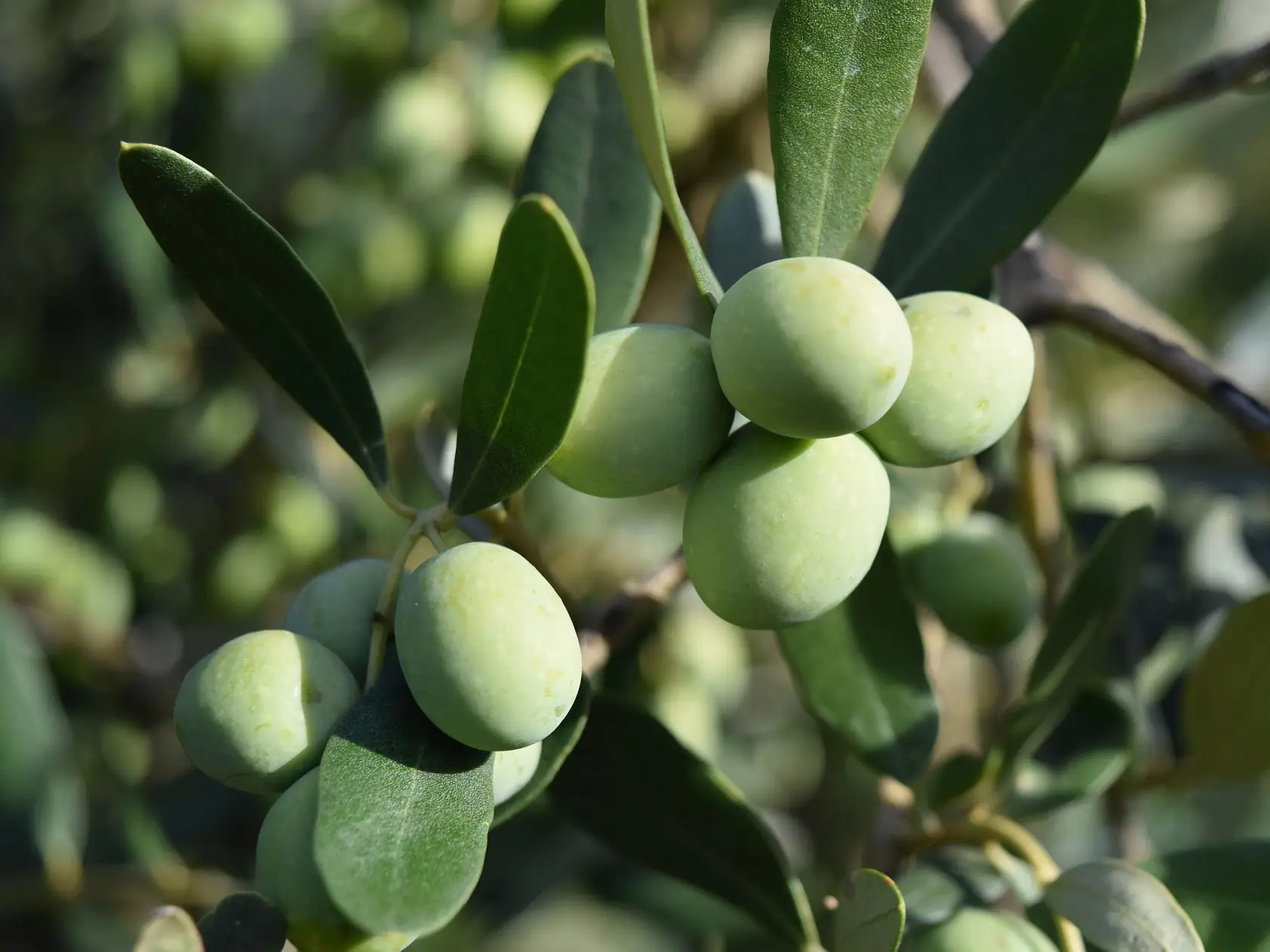
Every November, when the olives turn from jade to violet-black, the island slows. Nets bloom beneath the trees like dark lakes. Families who scattered to Split or Sydney return. Hands that have typed code in Munich all year suddenly remember the rhythm of picking, the ache in the shoulders, the satisfaction of a sack heavy with fruit. The presses in Dol, Murvica, and Škrip run day and night, filling the cold air with the sweet, heady perfume of crushed stone fruit and earth.
To drink a glass of Brač olive oil (yes, drink) is to taste time itself: the drought years and the wet ones, the Ottoman raids and the Ustaše hiding in the branches, the quiet mornings when only goats and the wind moved through the terraces. It is liquid history, bottled sunlight, stubborn and exquisite.
And still the trees keep their counsel, silver leaves shivering in the breeze, roots drinking from limestone that remembers the age of dinosaurs. They were here before us. With any luck, they will outlast us too.